

Anti-Racism, Advocacy, Civic Engagement

Redlining-
Redlining is a systemic form of discrimination where financial institutions, insurance companies, and governments deny loans, mortgages, or services to specific neighborhoods—primarily those with high populations of Black and minority residents—based on race and geography rather than individual creditworthiness.
Environmental factors have a bigger impact on health than we could possibly imagine. Together, we can change that.
The HEAT (Health Equity Action Transformation Project) looks at why health scores are low in Wyandotte County. The group studies how things like housing, income, and access to care affect people’s health. This work helps find areas where action can be taken to improve health in the community.
By identifying the factors that have created these problems, we can target the opportunity areas and begin repairing the damage. Wyandotte County is a proud community. Working together, we can help restore our homes, create awareness of health care solutions, and begin to work toward sustained improvement in our lives.
Introduction
With a 24-year gap in average life expectancy across neighborhoods, Wyandotte County has one of the highest disease mortality rates in the region, and one of the highest gaps in average life expectancy. The Health Equity Action Transformation Project (HEAT) has been working for over a decade to put health equity opportunities and challenges in Wyandotte County into context and take action.
Improving heath outcomes requires addressing the social and structural conditions that shape them. The previous Kirwan Institute HEAT reporting provides invaluable context on Wyandotte’s conditions, utilizing information from multiple health assessments such as the REACH Foundation and Mid-America Regional Council (MARC) 2015 Regional Health Assessment for Greater Kansas City, the Kirwan Institute’s Opportunity Index, and data from the Wyandotte County Unified Government Public Health Department. Overall, the most vulnerable populations to disease were identified as younger children under guardian supervision and older populations over 65.
From the 2016 report to today, we reconfirm the lived experience of our neighbors. The resources required for a dignified life are not evenly distributed. The burden of negative health outcomes, economic extraction and exclusion, and unaffordability, is placed disproportionately along historical racial-ethnic and class divides.
Our Purpose
Identify places and populations affected by the inequitable distribution of power and resources
Demonstrate current health inequities and explore the origins of health injustice in Wyandotte County
Inform community conversations and action
“We know the issues facing our community, and we are working to better Wyandotte however we can.” ~ LeDarious Johnson, Program Director, We Are Wyandotte
Keep one of the below (but let’s revisit this section after the sections below are closer to finalized):
Today's inequitable health landscape did not emerge overnight and has been shaped by the actions of people in power. Previous choices have changed the community health landscape and the challenges it presents for the people of WyCo. Enduring solutions will require taking a long view of incremental progress and community commitment that extends beyond. Policies have had long-term, residual, and sometimes unforeseen impacts. Considering past policy choices can inform the thoughtful design of present-day solutions.
Values influence policy. Values-infused policies shape systems, which in turn can help either to produce health and prosperity for all or to create barriers to good health and opportunity for some. Significant change can begin through coordinated efforts grounded in the principles of equity and inclusion.
Today’s uneven community health landscape is not inevitable but is shaped by the choices, actions, and ways of thinking of people in positions of power.
Policies have long-term, residual, and sometimes unforeseen impacts. The consideration of past policy choices can inform thoughtful design of present-day solutions.
Values influence policy. Values-infused policies shape systems, which in turn can help either to produce health and prosperity for all or to create barriers to good health and opportunity for some.
Significant change can begin through coordinated efforts focused on principles of equity and inclusion.
Enduring solutions will require a long view of progress and community commitment that extends beyond election cycles and institutional turnover in all sectors.
With community leadership, how are we currently addressing inequities in health outcomes across the county?
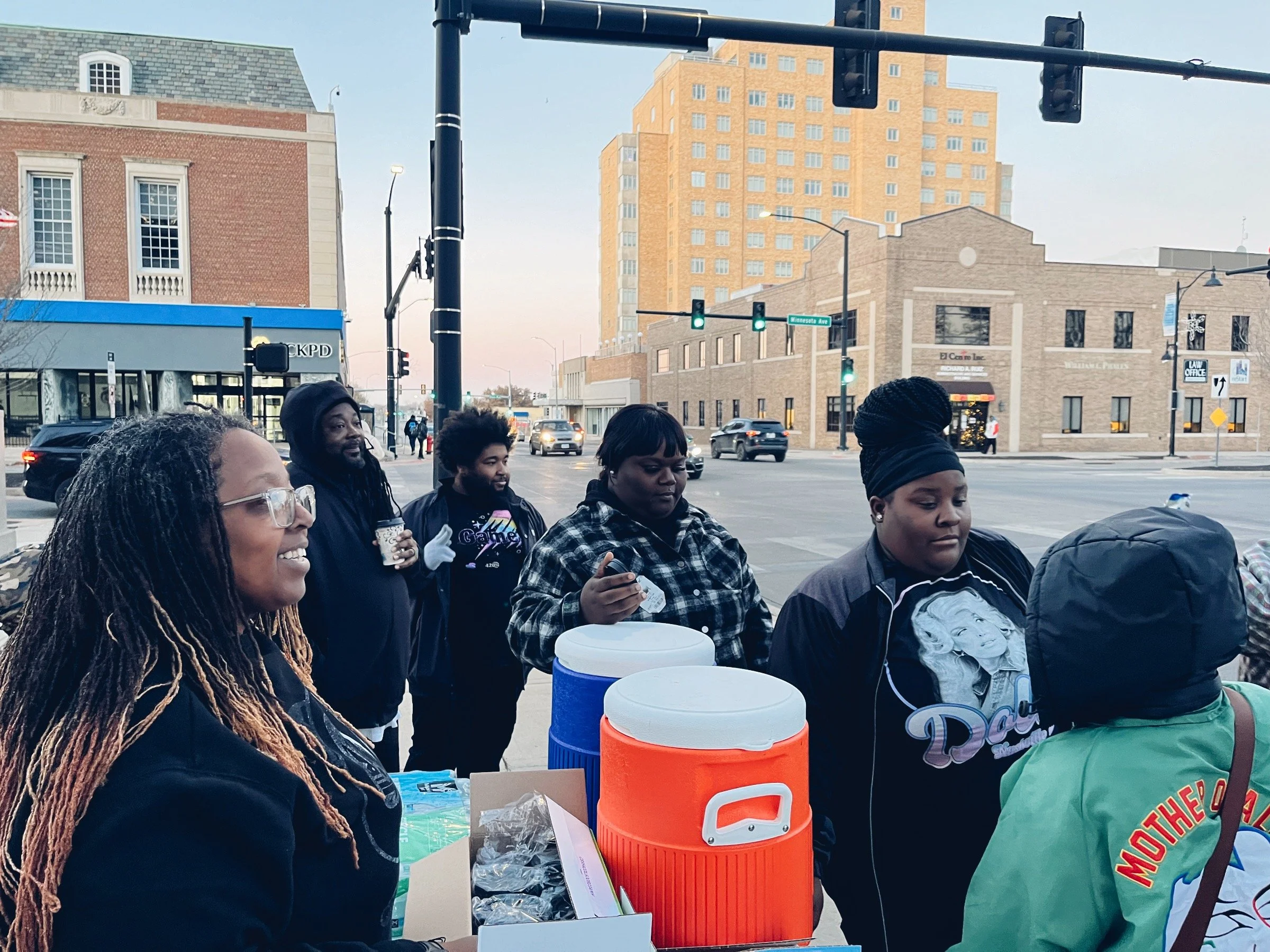
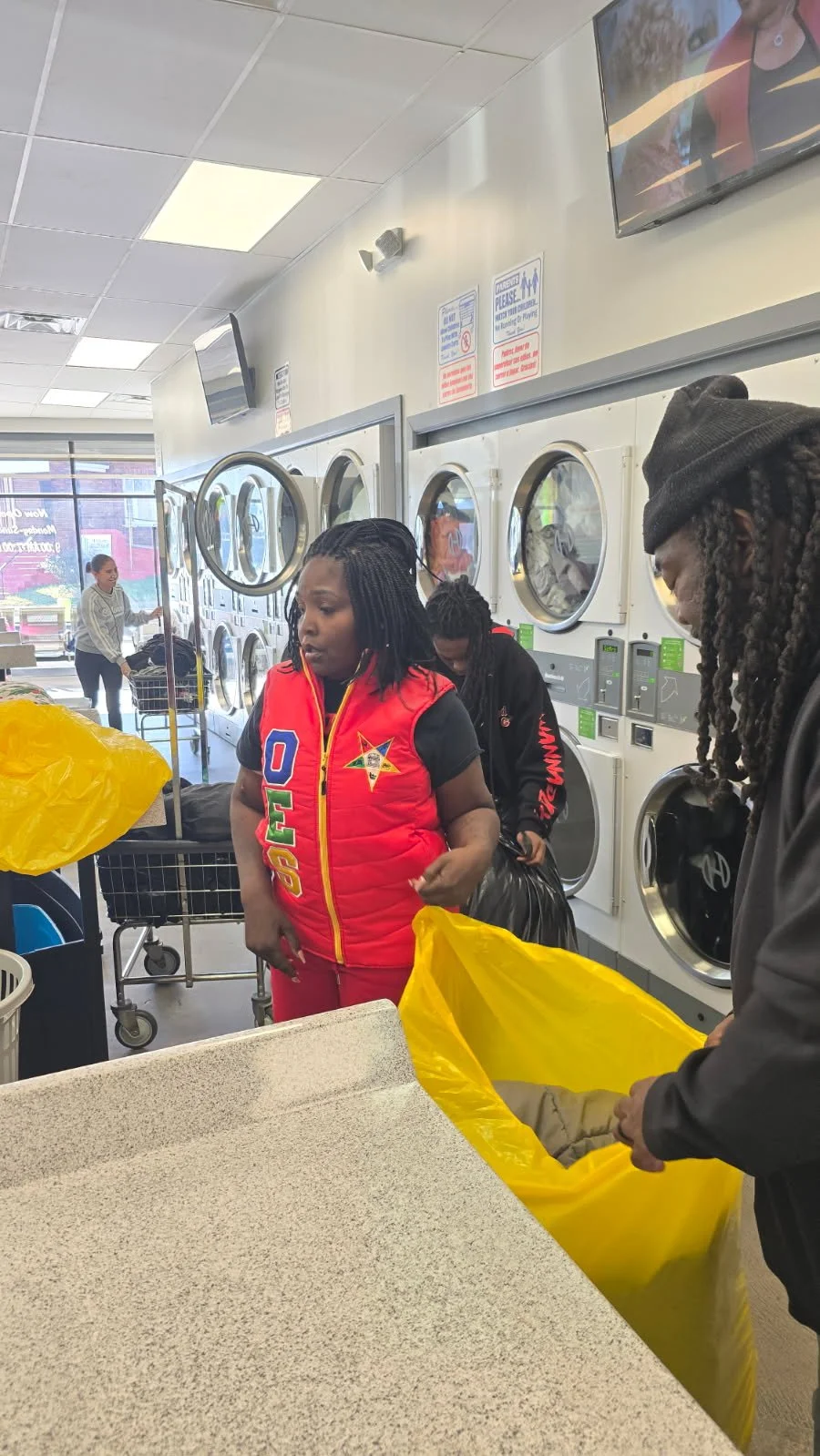
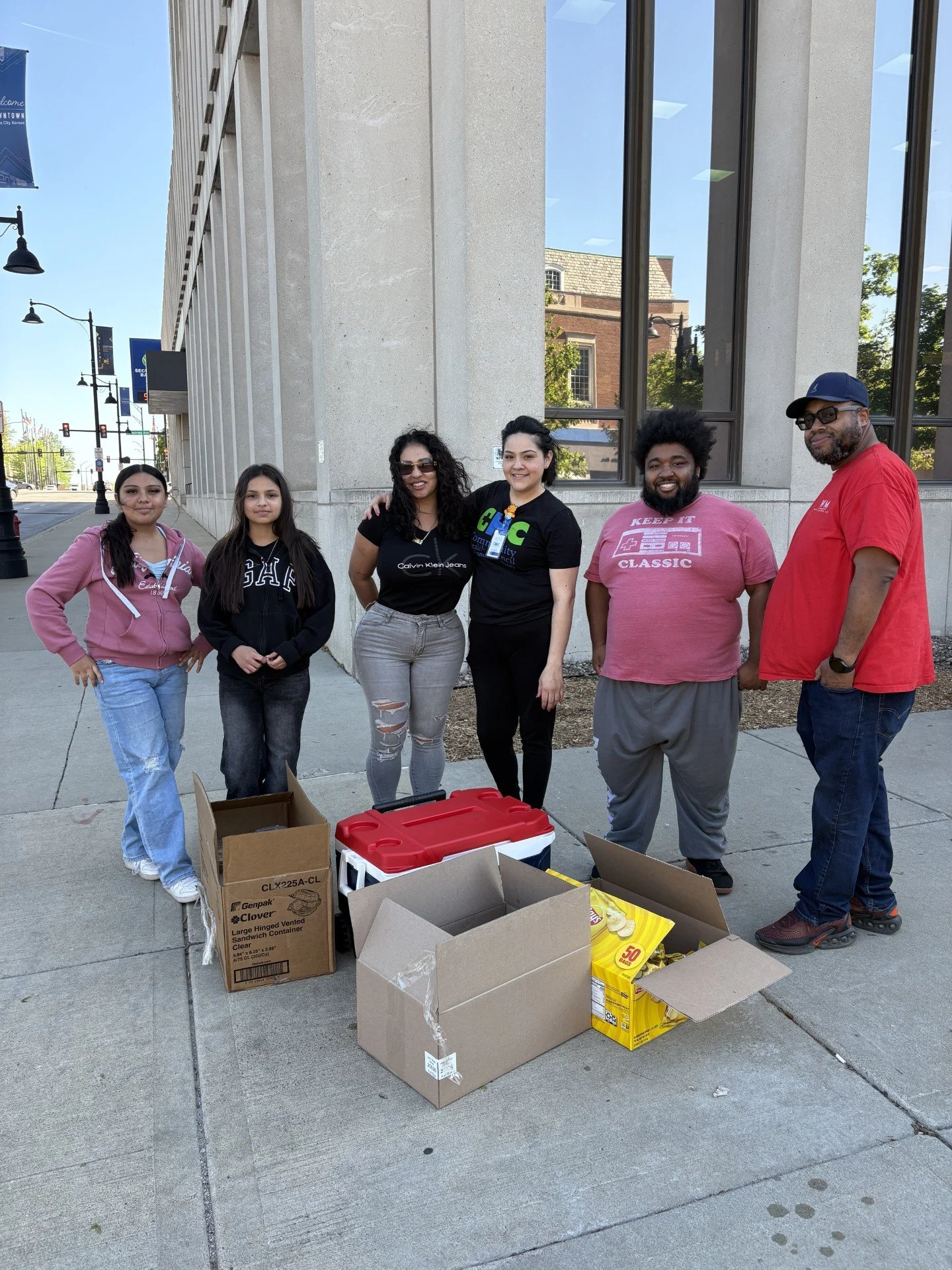
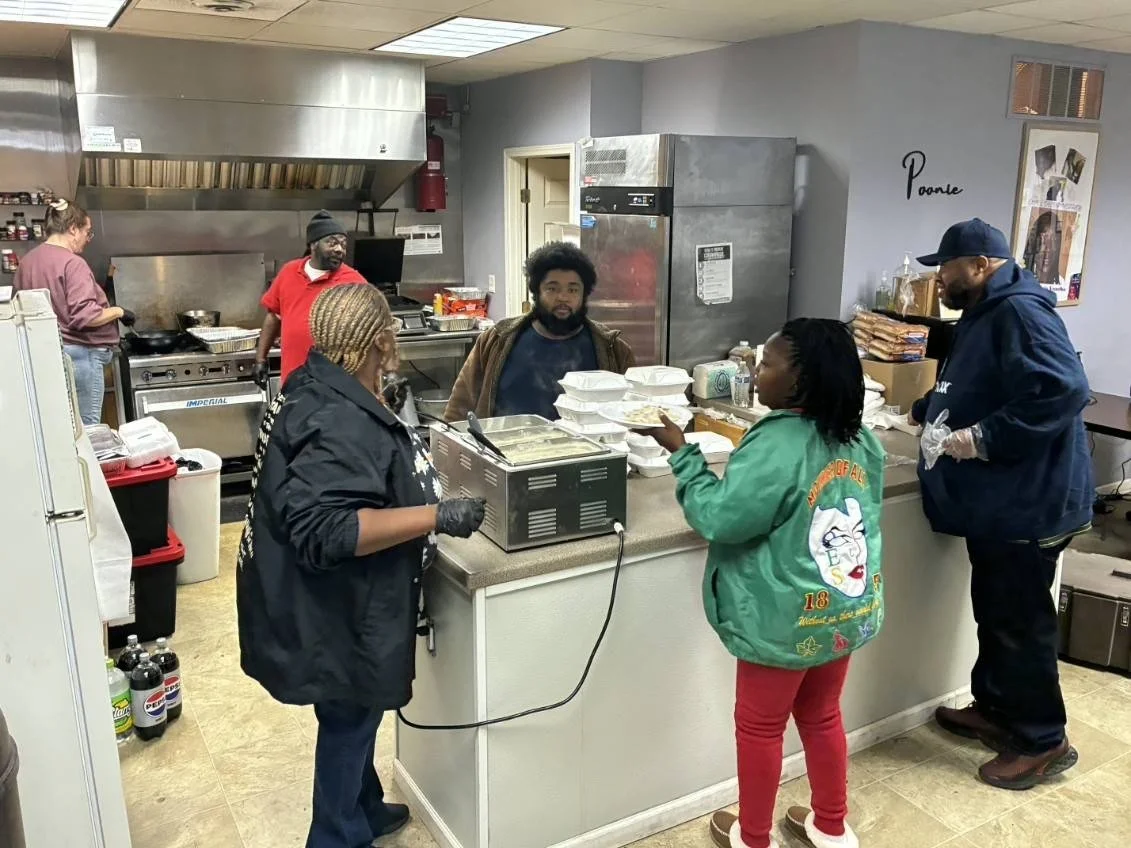
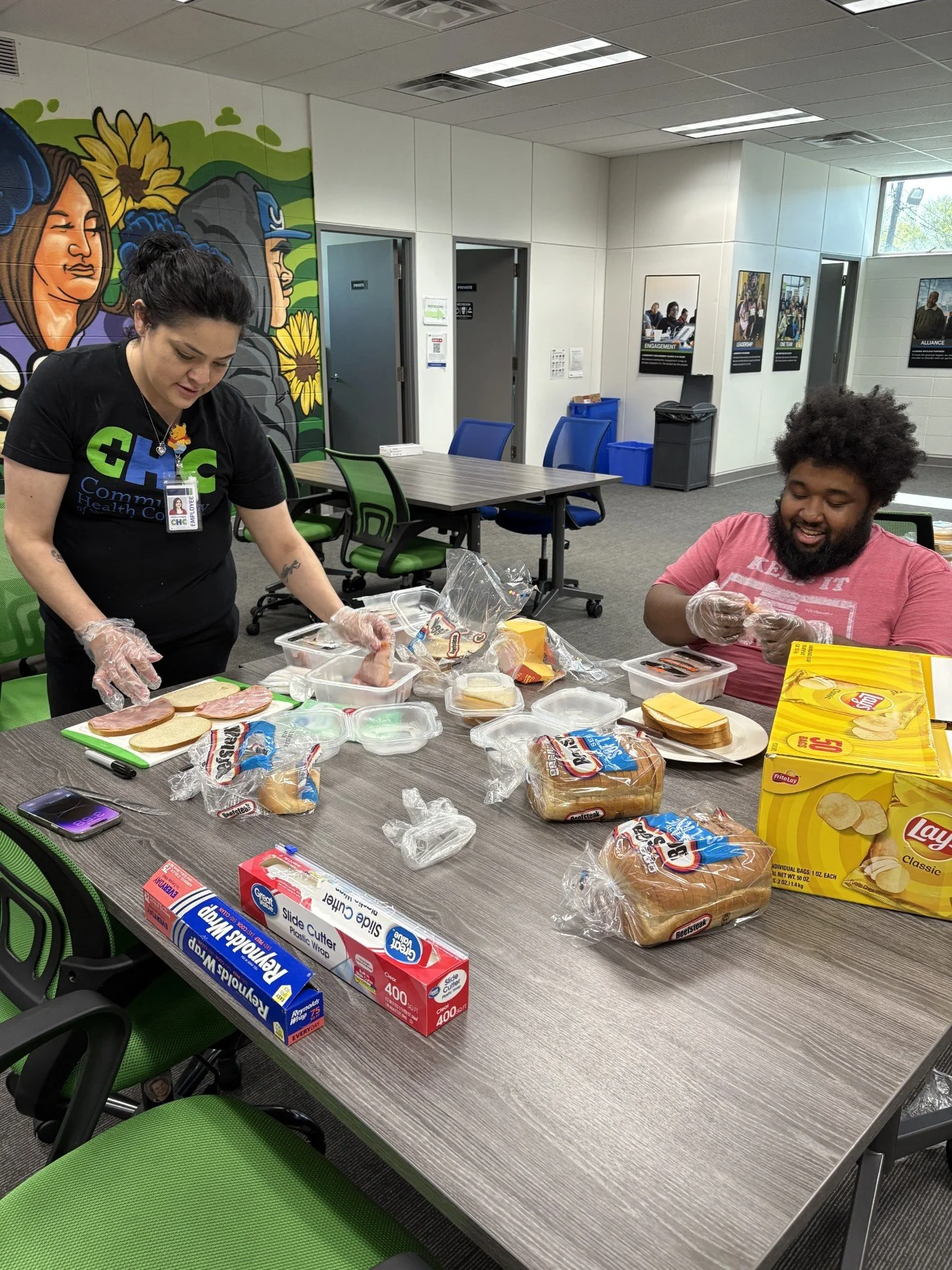
Community-led projects range from health services to free laundry and food to transportation.
Increasing access to vital resources and health information
Leadership development
Policy, system, and environment change
“What are we doing differently today to stem the tide of racism? It has to be all of us together. As we are together, we make progress.” ~ Broderick Crawford, Former HEAT Community Action Board, Bethel Community Center, Pastor
Why map health and the drivers of community health?
We use maps to show where relevant social, economic, and health situations impacting people are located in Wyandotte County, Kansas. Maps help us tell the story of how geography (where things are located and why) relates to our community's health. They can often be used to show power relationships. Maps are not neutral snapshots of reality, but strategic tools that help us describe historical and present-day context and power.
We ask the following questions:
What do our maps say about health equity in Wyandotte County?
What do these maps say about opportunity in Wyandotte County?
WyCo Public Health Department Life Expectancy
The average age of death chart shows how the average age of death changes over time in Wyandotte County. These averages are determined by averaging the average age of death for each Census Tract. The average age of death in Wyandotte County decreased from 68 in 2015 and 68.17 in 2019 to 67.66 in 2021. That means that, on average, people are dying slightly earlier compared to previous years.
Life expectancy in Wyandotte County varies significantly, ranging from just 56 years in the Riverview area to 80 years in the southwest corner near I-435 West, a difference of 24 years. The lowest life expectancy rates are found in neighborhoods such as Riverview, Northeast, Nearman Hills, Kensington, Armourdale, and Shawnee Heights, with particularly low rates in Muncie and northwestern Coronado.
In 2017-2021, the most recent years for which data are available, the average age at death in Wyandotte County is just under 68 years. The southwestern neighborhoods in the I-435 West community district in western Wyandotte County have an average age at death of 80.2 years. Average life expectancy in the county’s eastern neighborhoods—Riverview, Northeast, and Kensington—ranges from 56 to 62 years.
Life expectancy at Birth
2017-2021
People helping people to increase community connectedness and belonging. Solidarity not charity.



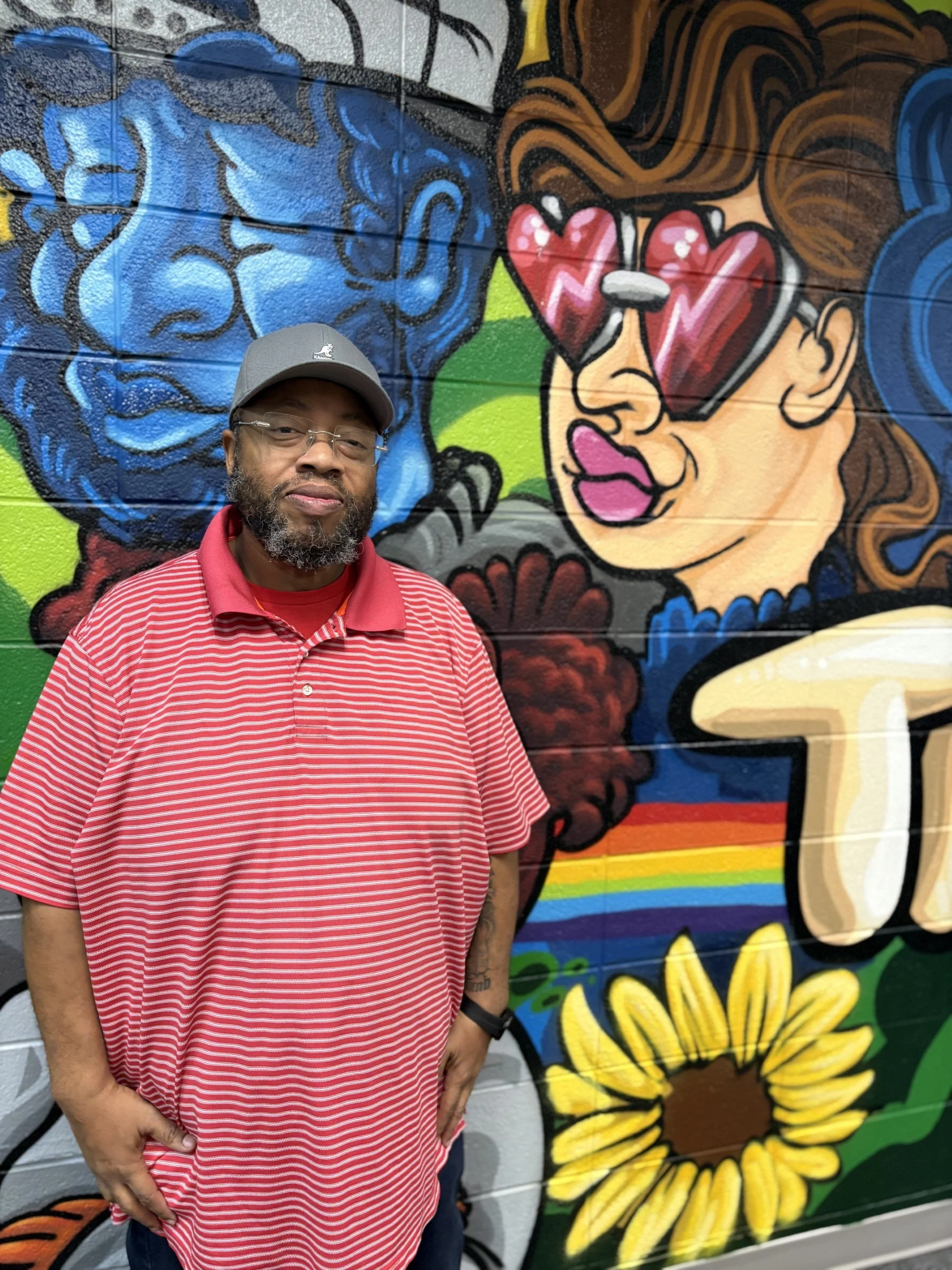
Kansas City, Kansas residents building grassroots power for a better community together.
Education, empowering, and supporting fathers in their journey through fatherhood.
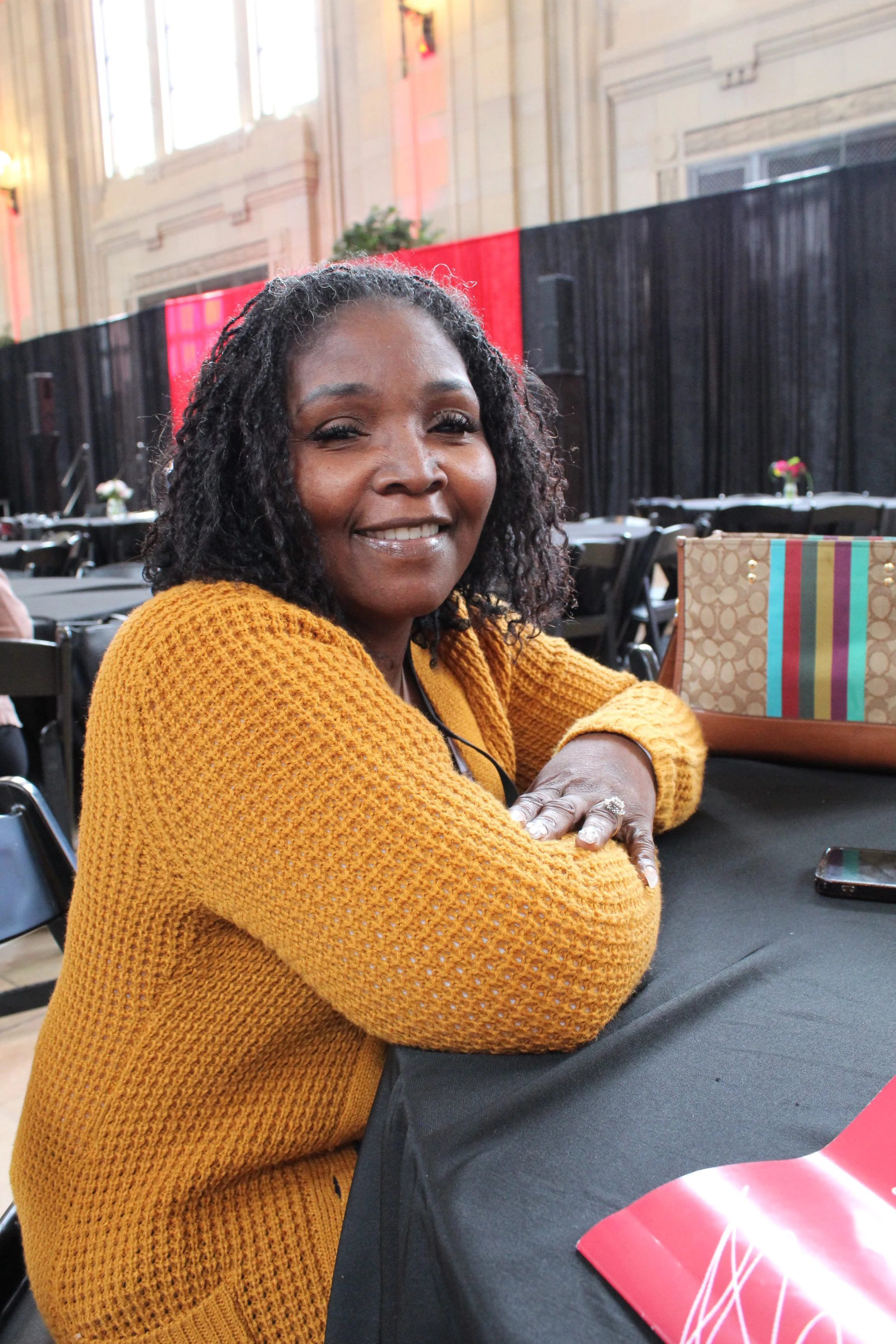
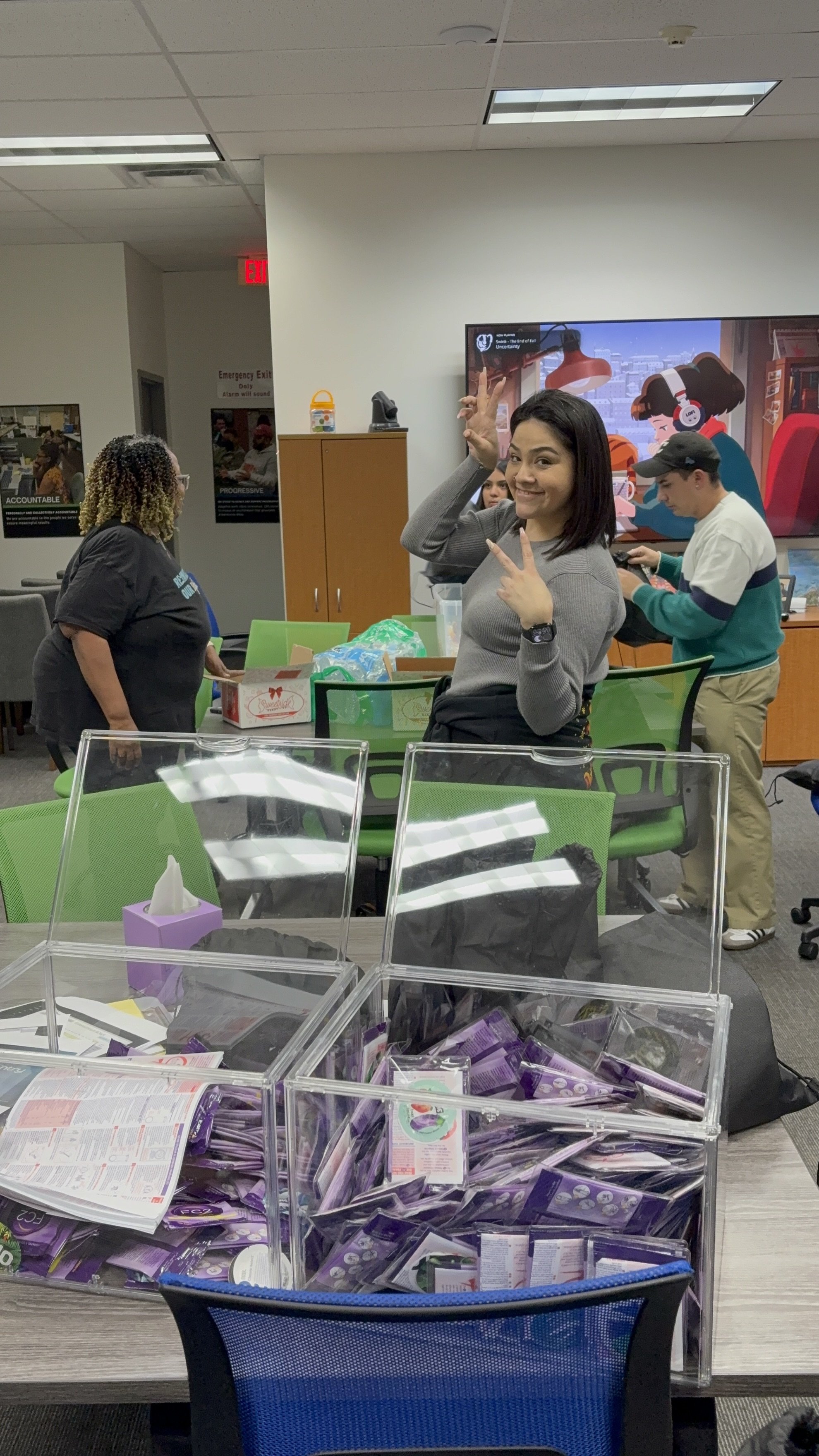
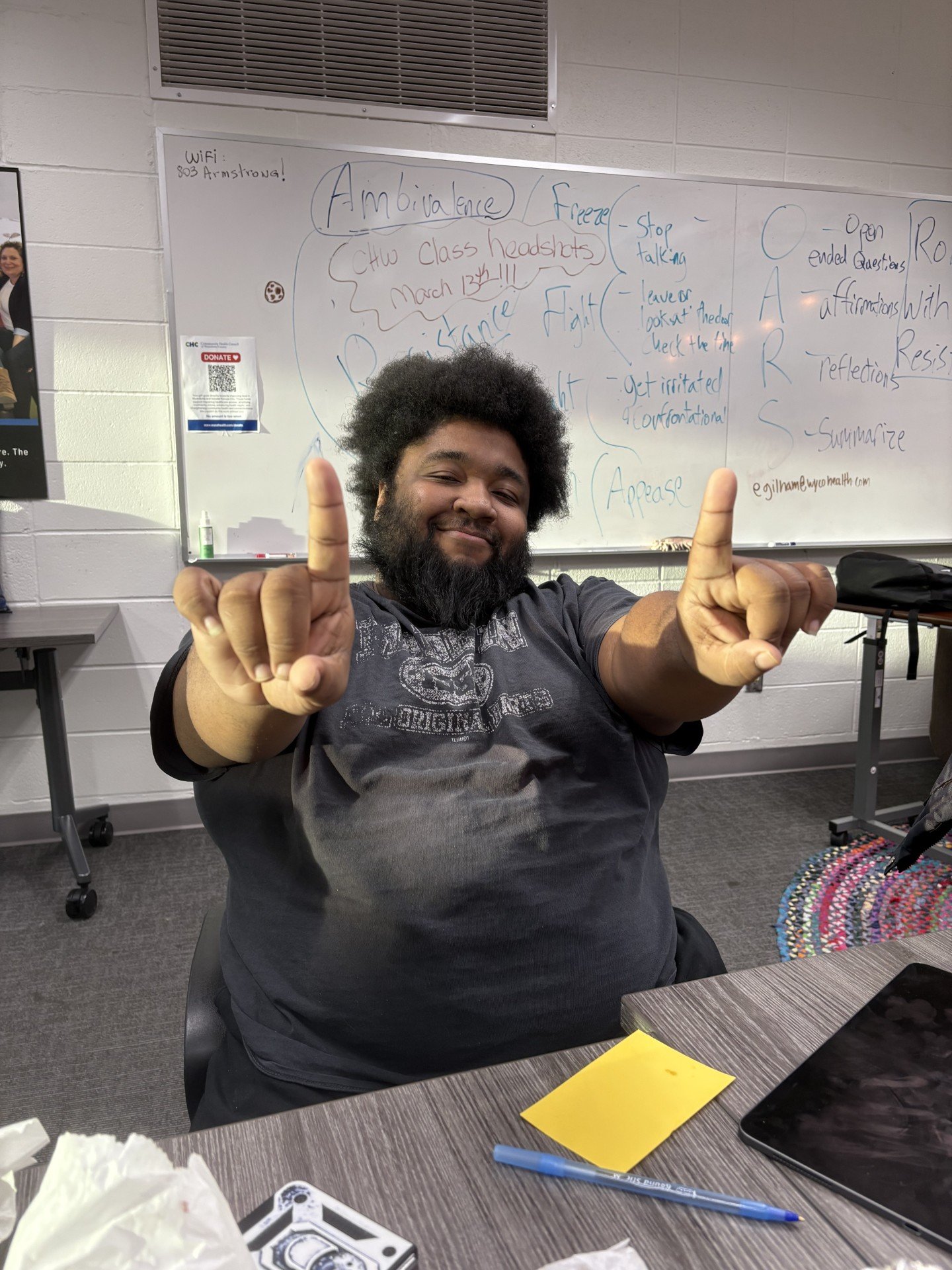
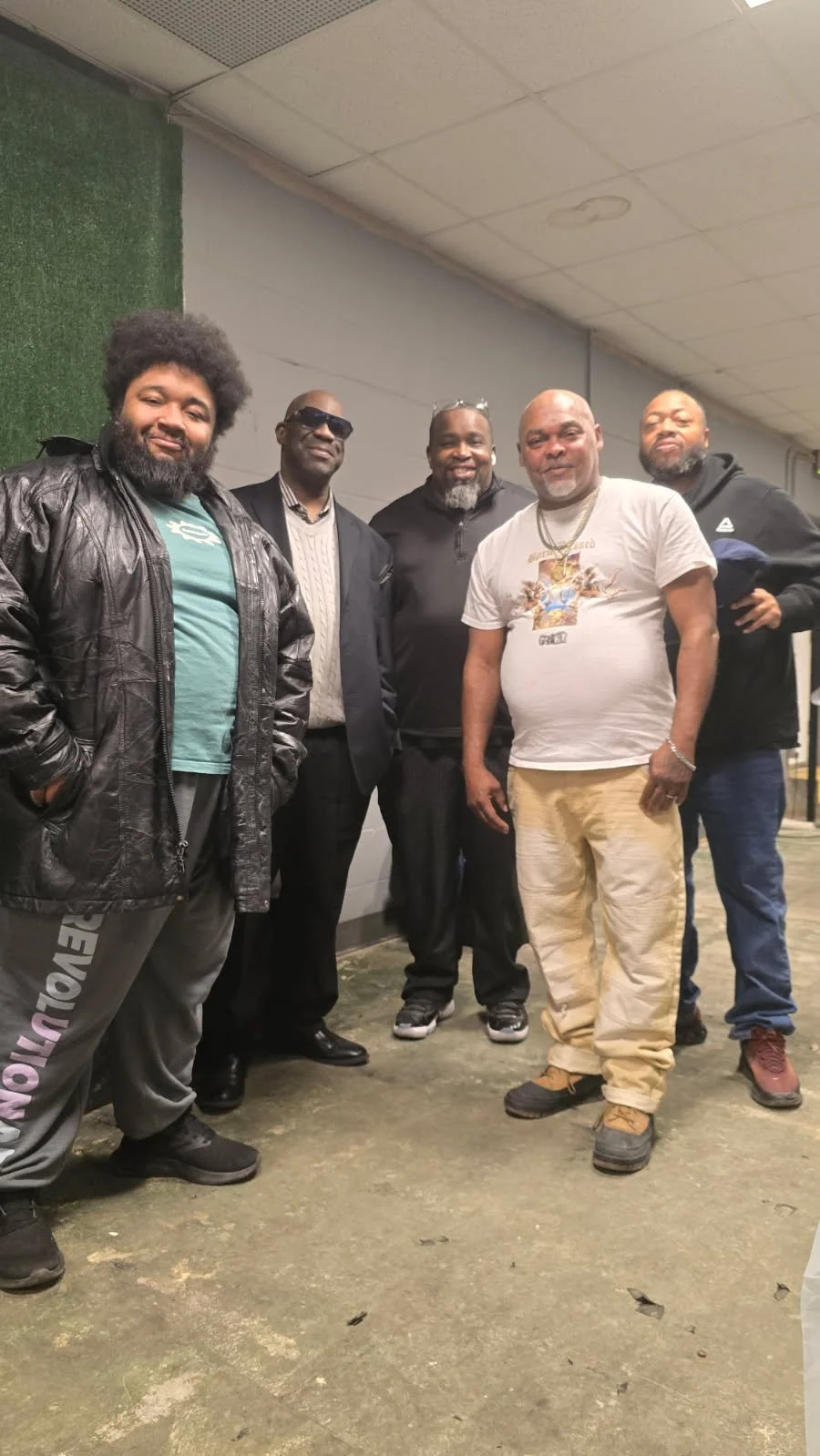
Community Voices
Fighting Back Against Redlining

Meet the Team
-
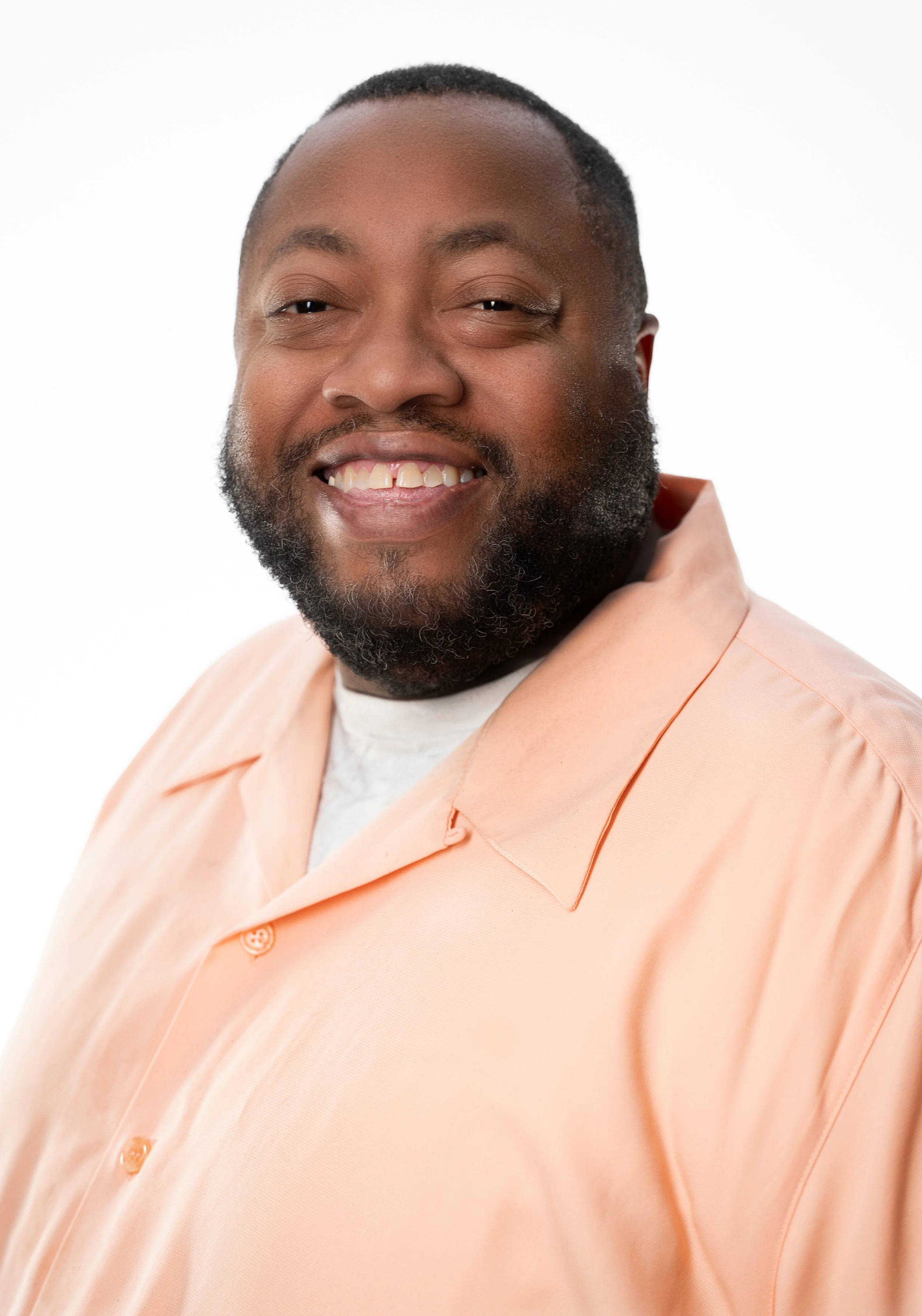
LeDarious Johnson
Program Director
ljohnson@wycohealth.com
-

Gail Harris
Program Coordinator
-

Charles Scott
Program Coordinator
-
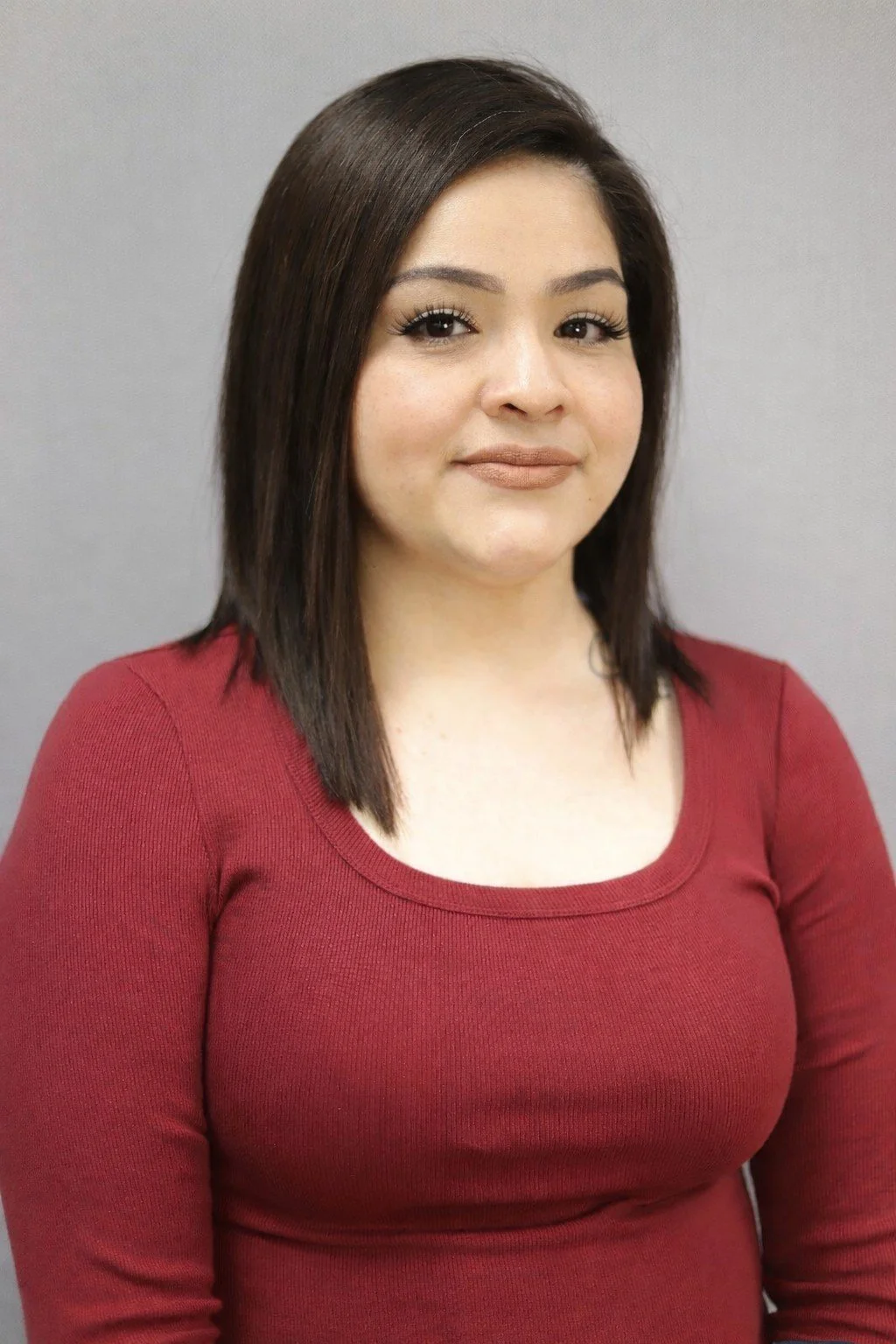
Cecilia Villegas
Community Mobilizer
H.E.A.T Report Supporting Partners


